The Architecture of Integration: Decoding the Cultural Syncretism of Ptolemaic Egypt
When one stands before the towering pylons of Edfu or the riverside majesty of Kom Ombo, the initial impression is one of timeless, "pure" Egyptian tradition. The hieroglyphs are crisp, the pharaonic crowns are intact, and the incense-scented inner sanctums feel as though they belong to the era of Ramses the Great. Yet, look closer, and a more complex, cosmopolitan story emerges. These are the Ptolemaic temples - monuments built during a three-hundred-year era where the Nile didn't just host a civilisation; it hosted a global conversation.
The Ptolemaic Dynasty (305–30 BCE) represents one of history’s most successful experiments in cultural syncretism. Far from being a "diluted" version of Ancient Kemet, temples like Philae, Dendera, and Edfu represent a sophisticated amalgamation of Greek, Persian, and Egyptian ways of thinking.
The Greek-Persian Connection
The catalyst for this transformation was Alexander the Great’s conquest, which bridged the gap between the Mediterranean and the Indus Valley. When his Macedonian successors, the Ptolemies, took the throne in Egypt, they didn't just bring Greek philosophy; they brought the spoils of Alexander’s Asian campaigns.
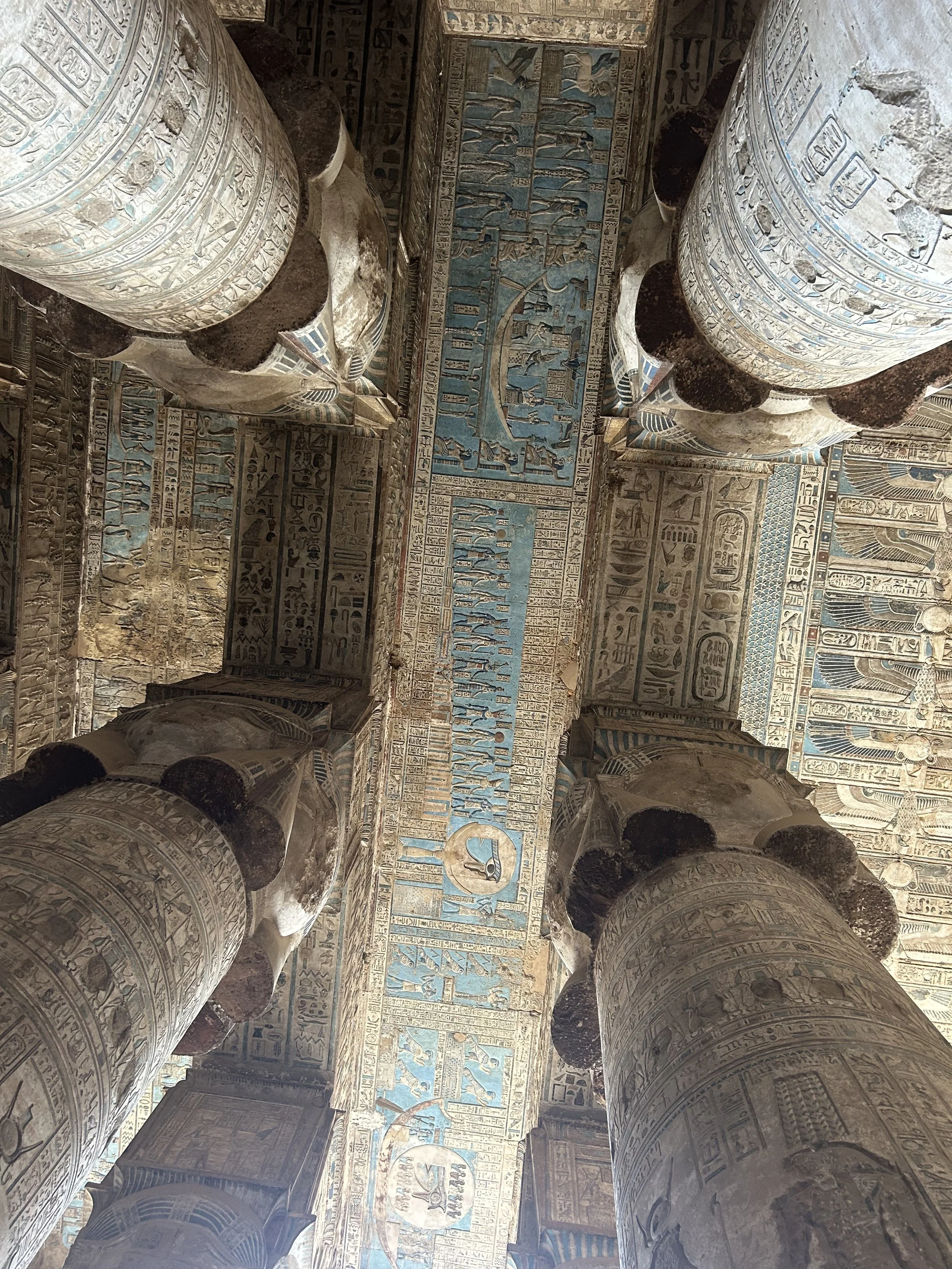
The Zodiac in the Hathor Temple, Dendera, Egypt. Copyright for the image Dr Iva Bajic-Hajdukovic
Perhaps the most striking evidence of this is found in the Temple of Hathor at Dendera. High upon the ceiling of the pronaos lies the famous Dendera Zodiac. To the untrained eye, it looks Egyptian, but it is actually a masterpiece of syncretism. The concept of the zodiac as we know it - twelve signs based on Babylonian and Persian astronomical traditions - was unknown in earlier Egyptian history. It was through the Greek-Macedonian conquest of Persia and Mesopotamia that these celestial ideas were absorbed and eventually carved into the sandstone of Dendera, blending Persian astral science with Egyptian theology.
Architecture as a Bridge
The temples themselves reflect this "hybrid" reality. While the layout remains traditionally Egyptian, the artistic execution reveals Greek influence in the realism of the relief carvings and the lush, "composite" floral capitals of the columns. Even the theology became syncretic; the Greeks identified their gods with Egyptian ones—Hathor with Aphrodite, Horus with Apollo—creating a religious framework that allowed two very different worlds to speak the same spiritual language.
The Birth of Hermeticism: Gods in Conversation
Beyond the stone and mortar, the most profound syncretism occurred within the human spirit. As Greek settlers and Egyptian priests lived side by side, their mythologies began to bleed into one another. The Greeks did not seek to replace the Egyptian gods; instead, they sought to translate them.
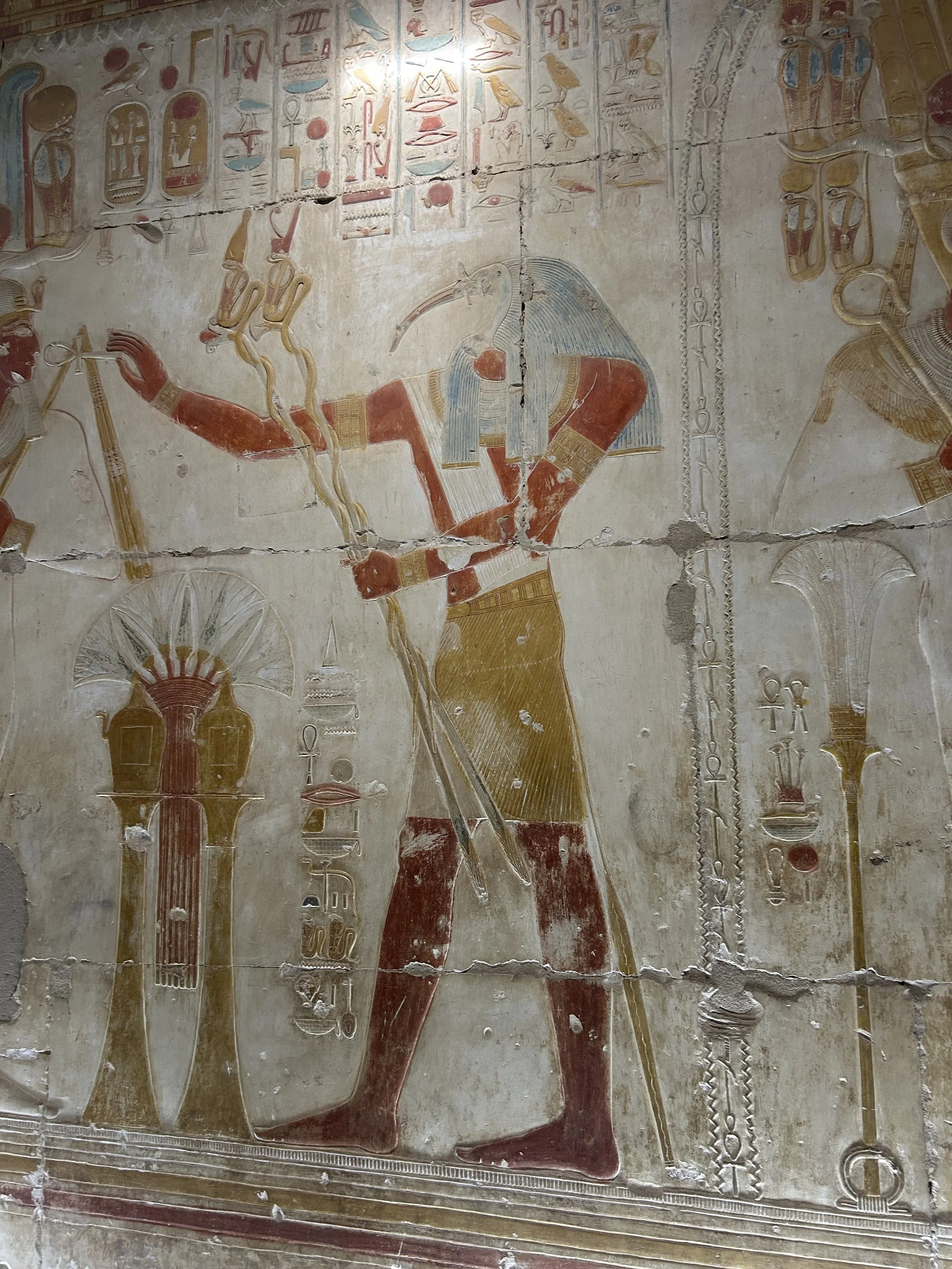
Thoth, the scribe of the gods. Copyright for the image Dr Iva Bajic-Hajdukovic
This "religious translation" gave birth to Hermeticism, a philosophical and esoteric tradition that remains a cornerstone of Western spirituality today. It emerged from the fusion of the Greek god Hermes, the messenger and master of boundaries, with the Egyptian god Thoth, the scribe of the gods and heart of wisdom.
The resulting figure, Hermes Trismegistus (Hermes the Thrice-Greatest), became the purported author of the Hermetica. These texts blended Egyptian temple lore and magic with Greek Platonism and Stoicism. In the shadows of the Ptolemaic temples, the "As Above, So Below" philosophy was born - a direct result of two cultures deciding that their gods were speaking the same universal truths, just in different tongues.
Linguistic Evolution: From Koine to Coptic
As a linguist, I find the most fascinating transformation occurred in the air - in the very sounds people used to trade, pray, and govern. The encounter between the Greek administration and the Egyptian populace gave rise to Koine Greek (Common Greek). This was the "lingua franca" of the Hellenistic world, a streamlined, accessible version of the language that broke down regional dialects.
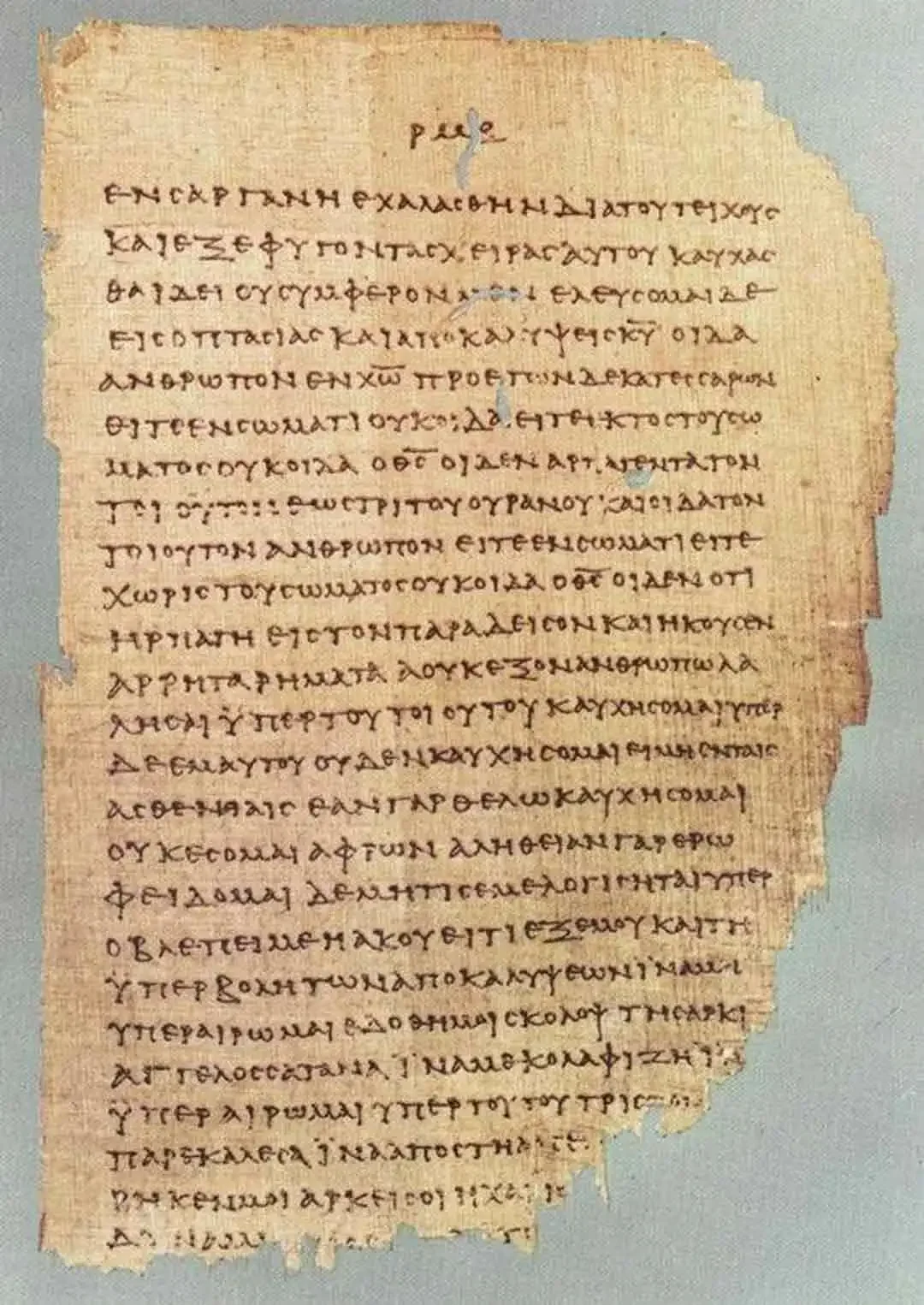
It was this very Koine Greek that became the vessel for the New Testament, allowing spiritual ideas to spread with unprecedented speed across the Mediterranean. But the syncretism didn't stop there. In Egypt, this linguistic marriage eventually gave birth to the Coptic language. By using the Greek alphabet supplemented by seven characters from the ancient Egyptian Demotic script, the Egyptians finally found a way to write their ancestral tongue with the precision of the Greek vowels. Coptic became the final stage of the Egyptian language, a perfect structural hybrid that preserved the voice of the Pharaohs within a Hellenistic frame.
Beyond Divisions
What these temples teach us is that humanity’s greatest leaps forward rarely happen in isolation. Cultural syncretism is the engine of progress. When we stop viewing cultures as rigid silos and start seeing them as flowing rivers that inevitably merge, we unlock new levels of art, science, and understanding. The Ptolemaic temples are not "lesser" because they are mixed; they are arguably more profound because they prove that even the most ancient traditions can evolve through contact with the "other."
Join Me on the Nile This November
To truly understand this synthesis, one must walk these halls and trace the inscriptions with one's own eyes.
This November, I invite you to join me for a bespoke journey to Ancient Kemet. As a former professor of Greek civilisation, a linguist, and an anthropologist, I will guide you beyond the surface-level tourism. Together, we will decode the linguistic shifts, analyse the anthropological evolution of these sacred spaces, and experience a tour that spans the culture of antiquity to the vibrant reality of today.
Step into the flow of history. Let us explore the rivers of remembrance together.
[Click Here to Reserve Your Spot for November]